 Bhairav Ananda Giri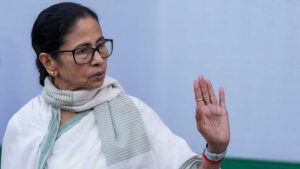
In recent months, West Bengal Chief Minister Mamata Banerjee has found herself at the center of a flurry of corruption allegations that have sparked widespread debate among the general public. Allegations of impropriety among key figures in her party— the All India Trinamool Congress (TMC)— have raised questions about accountability and governance in the state she has led since 2011.
The controversy intensified following a series of investigations by central agencies into various sectors within the state. The Enforcement Directorate (ED) and Central Bureau of Investigation (CBI) have been probing multiple scams, some of which allegedly involve misappropriation of public funds and kickbacks for government contracts. Among the most notable is the alleged involvement of some TMC leaders in the “West Bengal teacher recruitment scam,” where accusations surfaced regarding bribes exchanged for securing government positions.
Critics argue that these allegations reflect a systemic issue of corruption that has plagued West Bengal’s political landscape for years. Opposition parties, particularly the Bharatiya Janata Party (BJP), have seized upon these allegations to accuse Banerjee’s administration of fostering an environment where corrupt practices thrive.
Mamata Banerjee, known for her fiery speeches and strong stance against the BJP, has vehemently denied all allegations of corruption. She maintained that the investigations are politically motivated, aimed at tarnishing her image and destabilizing her government. “These are baseless accusations. The motive is clear: trying to malign the TMC which has been working tirelessly for the people of West Bengal,” she declared in a recent public address.
Supporters of Banerjee point to her administration’s achievements, claiming she has championed social welfare programs that have significantly improved the lives of ordinary people in the state. Programs such as “Kanyashree,” which provides financial aid to girls for education, and “Lakshmir Bhandar,” aimed at cash transfers for women, have garnered popular support. These initiatives are often emphasized as a reflection of her commitment to good governance.
Despite this, the persistence of corruption allegations has created dissent among a section of her supporters. Many citizens express concerns about the integrity of government officials and the possible repercussions of these revelations on the welfare programs they value. “We need to ensure that our funds are being used properly. It’s hard to ignore these allegations,” commented a local business owner who wished to remain anonymous.
As the investigations continue, various political analysts suggest that the ramifications of these corruption allegations could significantly impact the upcoming elections in West Bengal. With possible fractures in Banerjee’s political base, it remains to be seen whether her administration can navigate these challenges effectively or if they will lead to diminished support.
In an age where transparency and accountability are increasingly demanded from public figures, the spotlight on Mamata Banerjee is a reminder of the intricate dance of power, politics, and public trust. The coming months will be crucial as the people of West Bengal await clarity on the truth behind these allegations and how they influence the state’s political landscape, governance, and their daily lives.
About The Author

